Our self-learning curricula from across all Buddhist traditions cover themes ranging from ethics to meditation, inner peace to a sustainable society, and cultural documentaries to global issues, among others.
We adopt foundational, functional, and conversational approaches that are relevant to new initiates of all ages, and even for study groups or Sunday schools.




Frequently asked questions
Here are the top questions our visitors ask before getting started.
Do I need to belong to a specific Buddhist tradition to study Buddhism here?
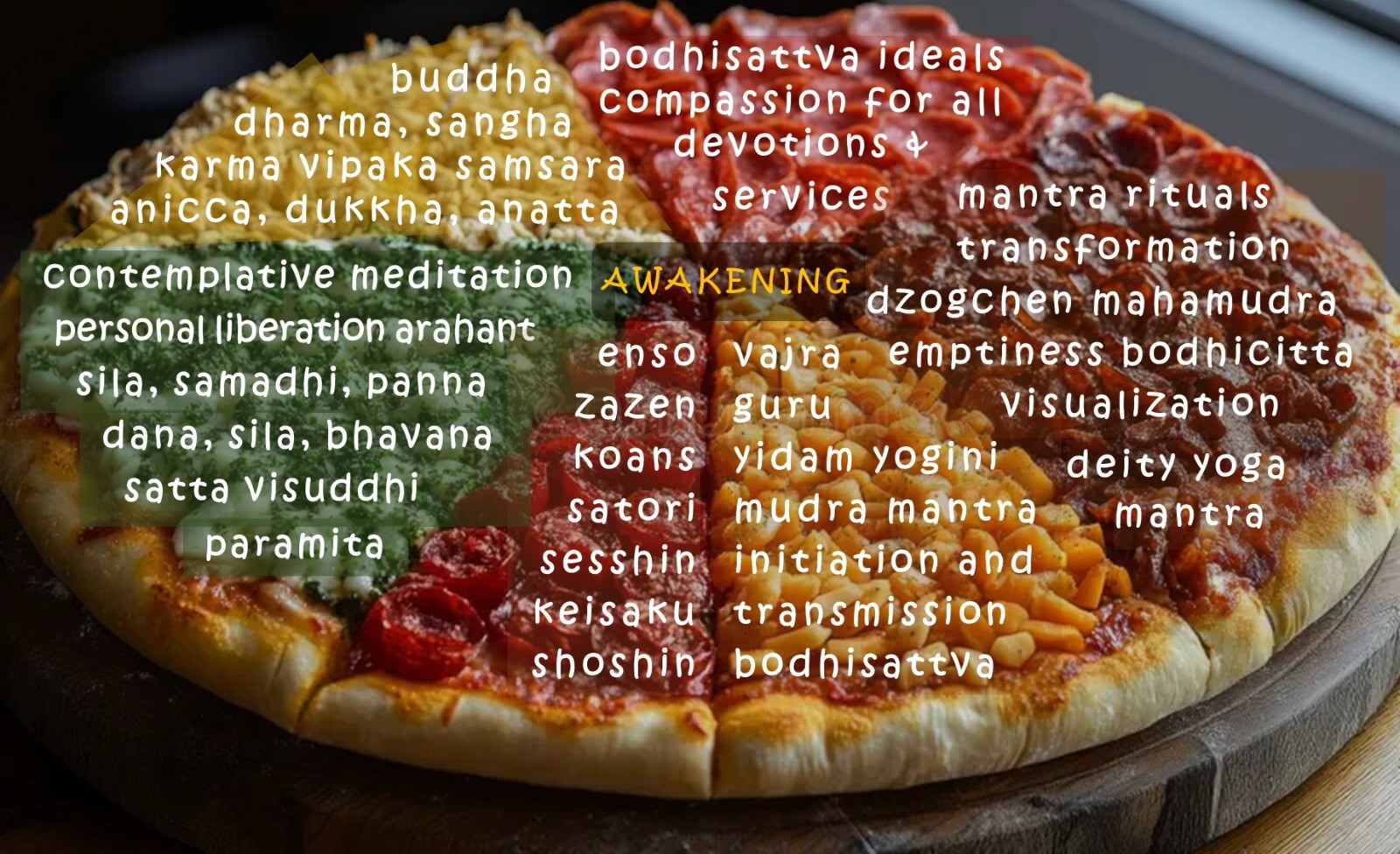
No. This platform welcomes learners from all backgrounds and traditions. Buddhism has developed into many schools — including Theravāda, Mahāyāna, Zen, and Vajrayāna — each offering unique perspectives while sharing core teachings such as compassion, wisdom, and liberation from suffering. You are free to explore openly without committing to any single tradition.
Why are there different Buddhist traditions if the teachings come from the Buddha?
As Buddhism spread across cultures and regions over centuries, teachings were interpreted and expressed in ways suited to local languages, philosophies, and societies. These diverse traditions represent different skillful approaches to understanding the same fundamental Dharma rather than contradictions.
Is this website meant for beginners or experienced practitioners?
Both. The resources are designed to support beginners discovering Buddhism for the first time as well as experienced practitioners seeking deeper comparative understanding across traditions. Learning can begin at any stage of your journey.
Can I study Buddhism without becoming religious or converting?
Yes. Many people explore Buddhism as a philosophy, psychology of mind, ethical framework, or contemplative practice. The teachings can be studied academically, spiritually, or personally — according to your own intention and comfort level.
How does learning from multiple traditions benefit my understanding?
Exploring diverse traditions helps reveal the richness of Buddhist thought and prevents narrow interpretations. Different approaches highlight different aspects of practice — meditation, compassion, wisdom, ritual, or daily mindfulness — allowing learners to discover methods that resonate with their own path.
More FAQ Questions